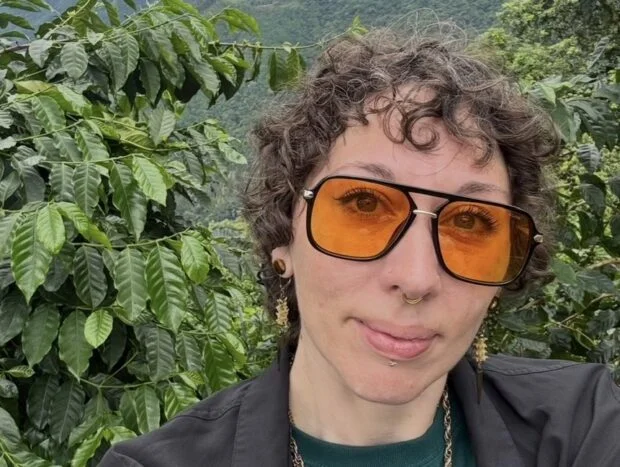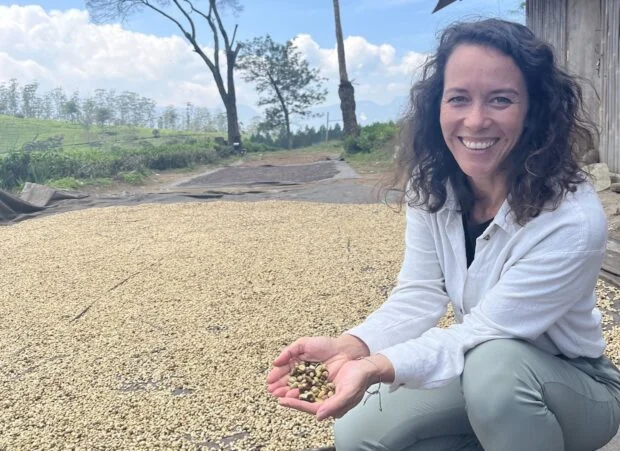
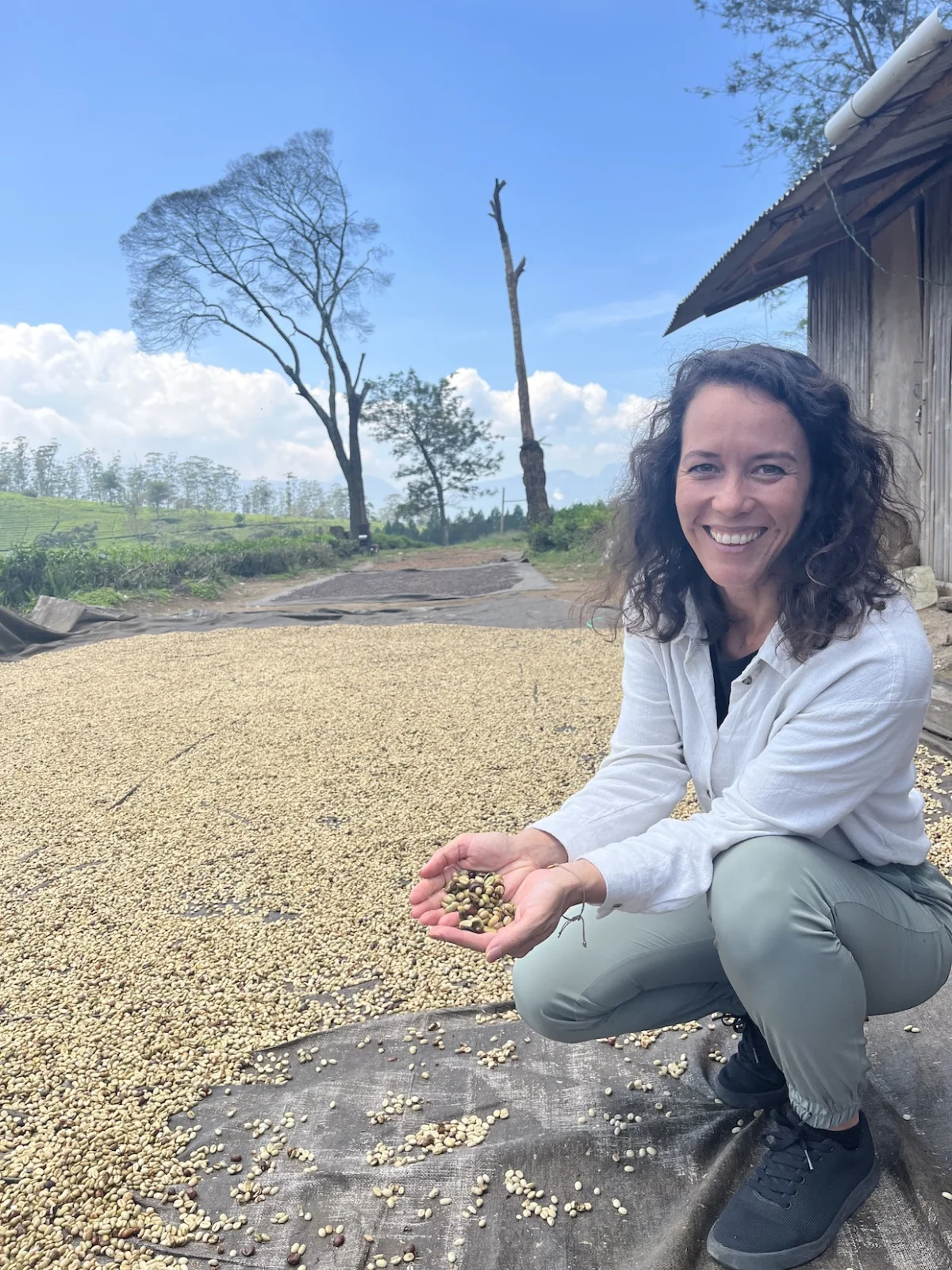
Segara Coffee Founder Esther Singer. All images courtesy of Esther Singer.
For Esther Singer, a career in coffee grew out of a classic scientific impulse: Start digging and see what turns up.
The German-Indonesian-Californian scientist spent more than a decade researching soils, ecosystems and plant-microbe interactions, including as a scientist at Lawrence Berkeley National Laboratory. She later moved into biotechnology, serving as director of product and market development for Twist Bioscience.
Singer said coffee ultimately brought those scientific pursuits together with her later experience in product development and marketing.
Screenshot
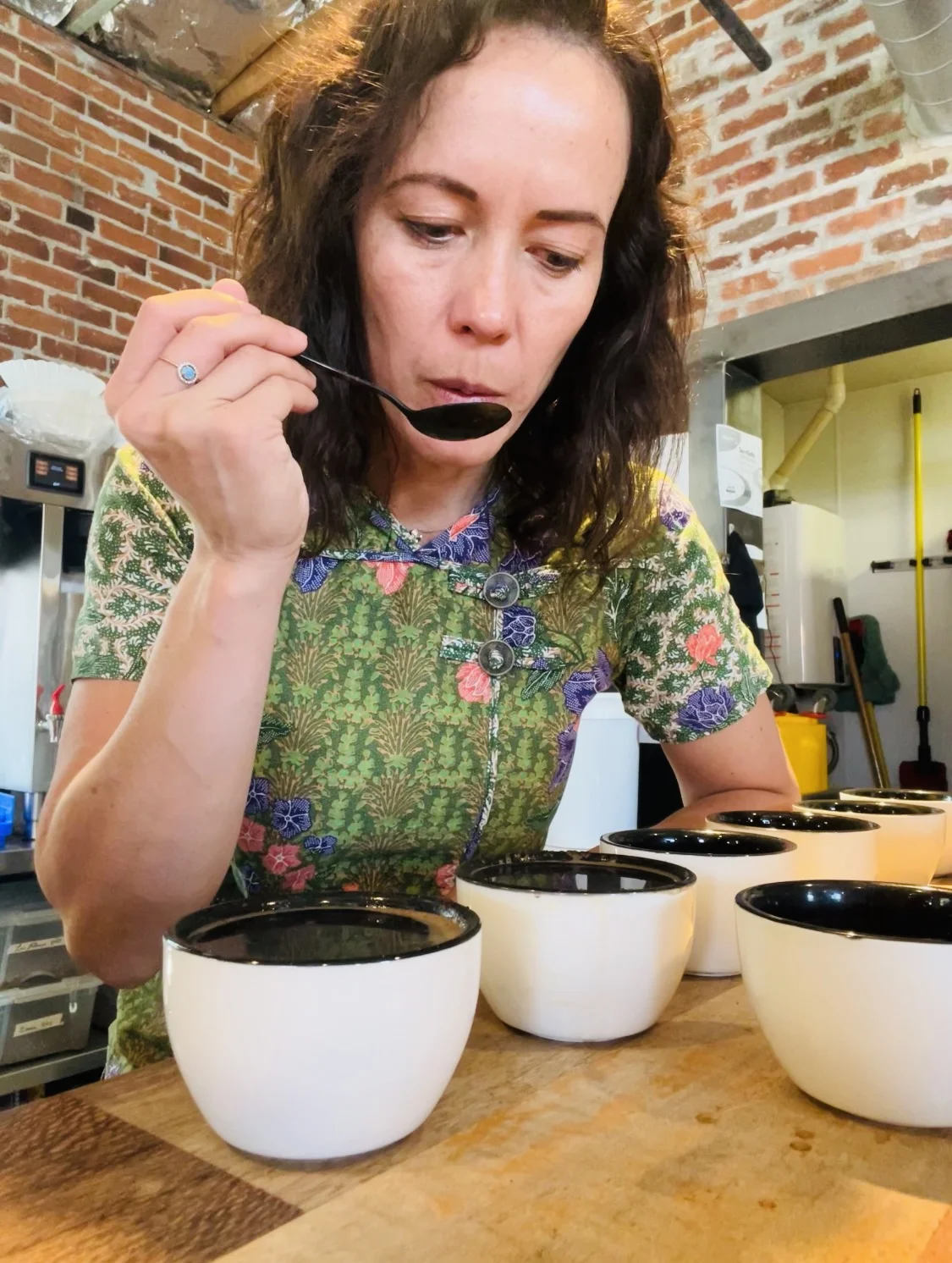
“I became fascinated by coffee as an agricultural system: genetics, soil, climate, processing, fermentation, drying, roasting,” Singer recently told DCN. “You can change one variable and potentially taste the result in the cup. That’s irresistible to a scientist.”
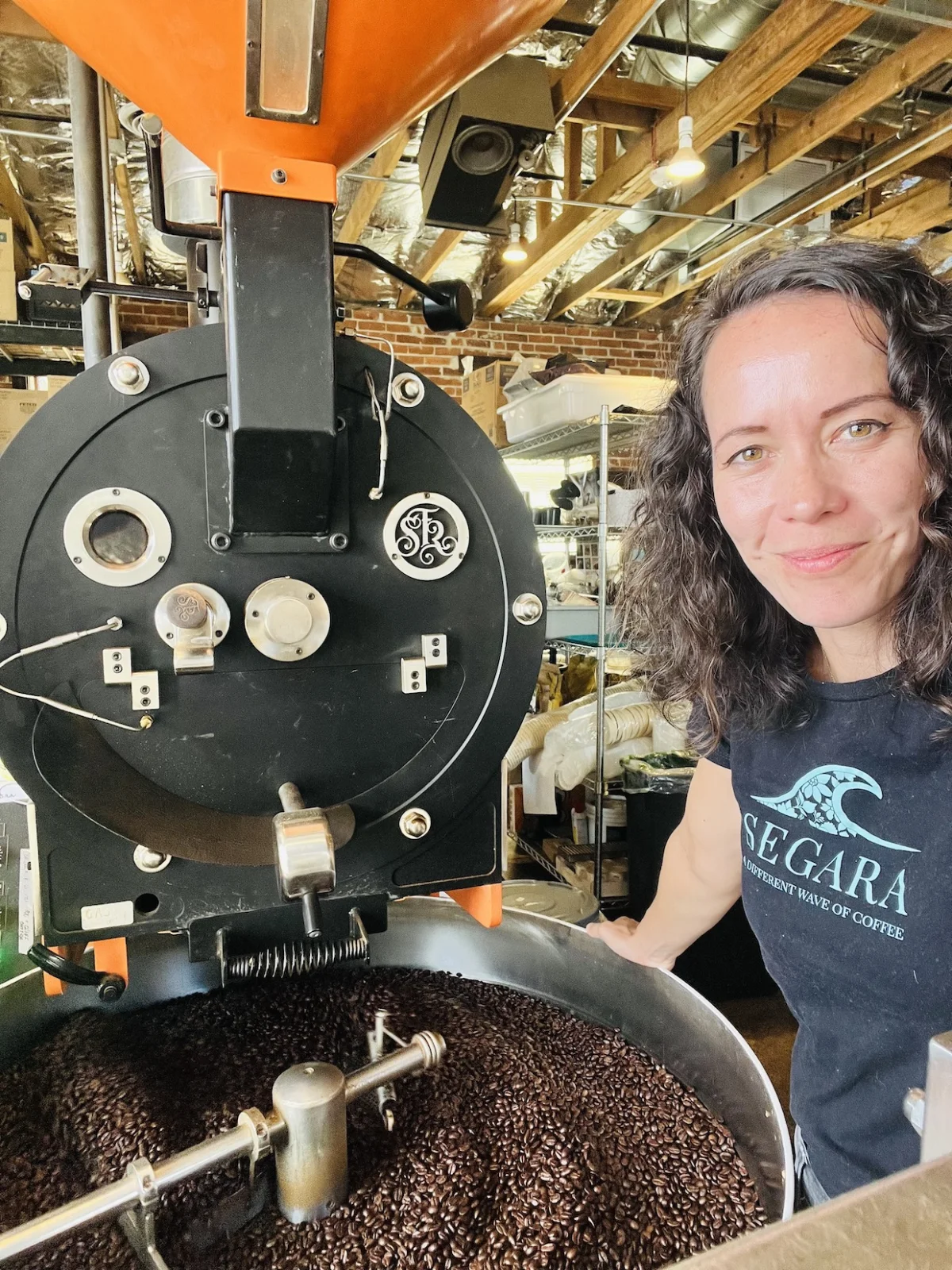
In 2025, after moving to Reno, Nevada, Singer launched Segara Coffee, a roasting company devoted exclusively to specialty arabica coffees from Indonesia with direct-to-consumer and wholesale sales. Singer said she maintains direct relationships with coffee producers in Indonesia.
Singer’s mother is Indonesian and her father is German, and she grew up in Germany between the two cultures before spending much of her adult life in California.
Yet Singer said the Indonesian coffees she encountered in the United States represented only a narrow slice of what she found when she began looking more closely at Indonesia’s vast coffee production landscape.
“The more I looked, the more there was to discover: cultivars I had never encountered in the U.S., producers doing really interesting work, different approaches to processing, and coffees that didn’t fit neatly into the profile I had learned to associate with Indonesia,” Singer said. “At some point I stopped thinking, ‘Someone should bring these coffees here,’ and decided to do it myself.”
The Segara name, which translates to “sea” or “ocean” in Javanese, is a reference to the vast Indonesian archipelago and the connections Singer hopes to foster through coffee.
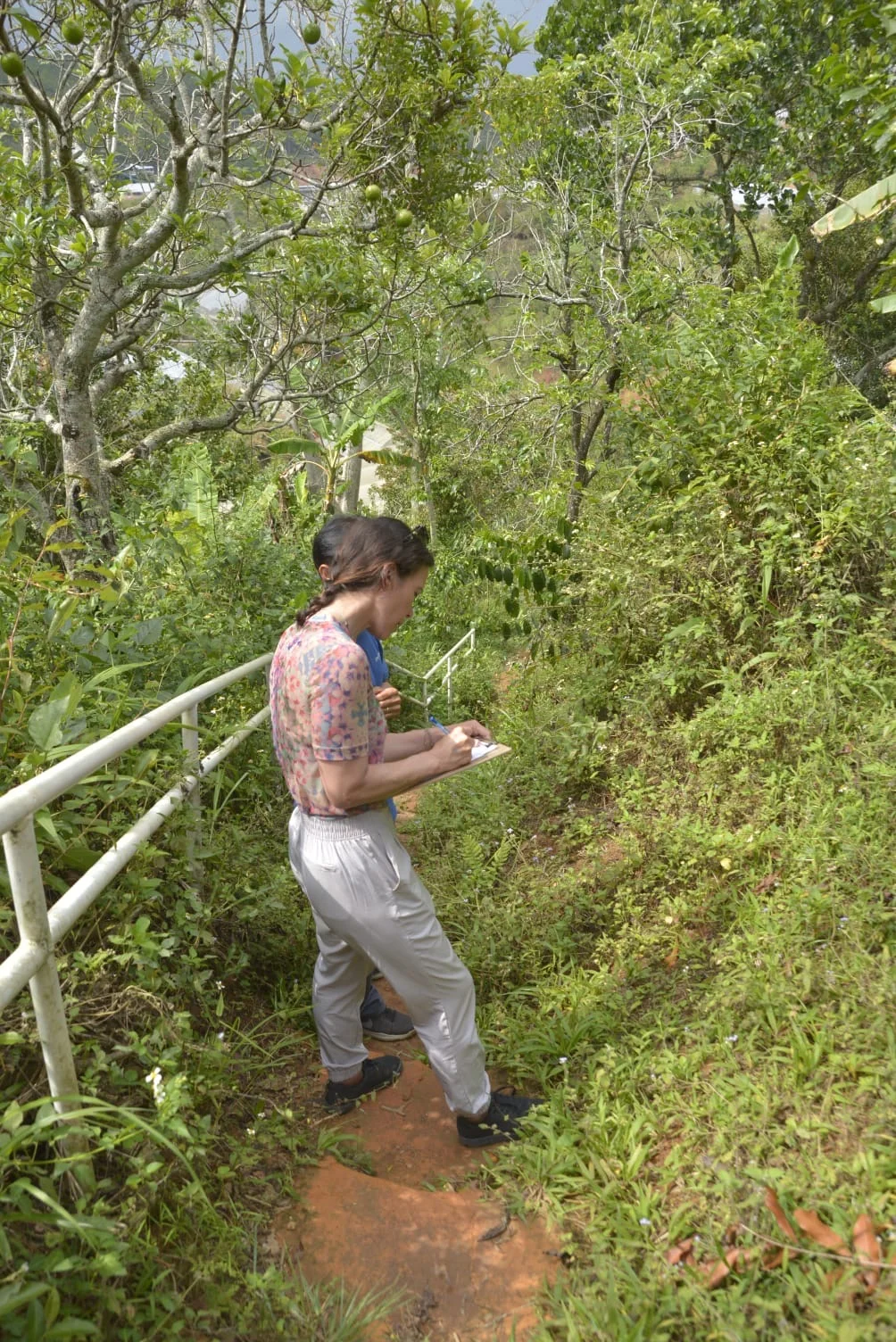
“The idea is to go very deep into one coffee-producing country rather than building a conventional multi-origin portfolio,” Singer said. “That gives us an enormous amount to explore while building expertise and long-term relationships in Indonesia.”
Here’s more from DCN’s conversation with Esther Singer.
Three Questions with Esther Singer
What excites you most about coffee?
The number of disciplines that converge in a single cup.
Coffee sits at the intersection of plant genetics, soil science, ecology, agriculture, microbiology, processing, chemistry and sensory science — and then layers culture, craft and human preference on top of all of it.
I can approach a coffee as a scientist and ask why it behaves or tastes a certain way, then approach that same coffee as a roaster and ask how I can best express it, and finally hand the cup to someone who doesn’t care about any of those questions and simply says, “That’s delicious.”
I love that all three experiences can coexist.
And ultimately, coffee is remarkably good at bringing people together. Segara’s mission is to connect human to human, and human to nature. Coffee gives us a very tangible way to do both.
What troubles you most about coffee?
How easily complexity gets flattened.
We rely on categories in coffee because they’re useful — origin, process, roast level, tasting notes — but eventually those categories can become assumptions.
Indonesia is a good example. For many consumers, Indonesian coffee became closely associated with Sumatra, wet-hulled processing, heavy body and earthy flavors. Those coffees are an important part of Indonesia’s coffee history, but a category can become limiting when we start treating it as a definition.
I’m also troubled by how easily the conversation about coffee can become detached from agriculture. Coffee doesn’t begin with a roaster, a barista or a beautiful cafe. It begins as a plant in the ground.
Climate, soil, plant health, labor, economics and the decisions producers make determine what is possible for everyone downstream. Coming from environmental science, I don’t think I’ll ever be able to separate the cup from the ecosystem and the people that produced it.
What would you be doing if it weren’t for coffee?
I would probably still be somewhere at the intersection of science, nature and entrepreneurship.
I’ve always been drawn to understanding natural systems, but I’m equally motivated by turning knowledge into something tangible — something that can leave the laboratory, reach people and create connections.
Coffee has given me an unexpected way to bring those parts of my life together. It lets me stay close to the land and to science, while building something entrepreneurial and deeply human.
Comments? Questions? News to share? Contact DCN’s editors here. For all the latest coffee industry news, subscribe to the DCN newsletter.
Related Posts
Nick Brown
Nick Brown is the editor of Daily Coffee News by Roast Magazine.