Barcelona’s Specialty Coffee Scene: Nomad, Right Side, SlowMov and Three Marks
Story by baristamagazine · 647 readers
From Nomad’s early coffee cart to today’s cafés and roasters, Barcelona blends specialty coffee with hospitality, community and local tradition.

Barcelona’s specialty coffee scene has grown into a citywide culture, shaped by pioneering roasters, cafés with distinct community roles and a local tradition of drinking coffee together. The change is visible in neighborhoods from El Poblenou and Gràcia to Sant Antoni and the Gothic Quarter, where specialty coffee now sits alongside the city’s older cafés and lively street life.
Nomad Coffee helped set that growth in motion, while Right Side Coffee, SlowMov and Three Marks have each added their own priorities, from producer relationships and training to traceability and welcoming spaces. Their stories show how a newer approach to sourcing and brewing can take root without erasing the everyday social rituals around coffee.
From torrefacto to specialty coffee
Coffee arrived in Spain in the 1700s, and the country’s first coffee shop opened in Madrid. The Spanish Civil War, from 1936 to 1939, interrupted the development of the coffee sector. During that period, torrefacto—adding sugar to coffee beans as they near the end of roasting—became established. The sugar forms a glossy, dark coating and produces a bitter cup. Often regarded as low-quality, this style nevertheless became common across Spain.
That history helps explain why specialty coffee took longer to gain ground in Spain than in some other major European cities. In Barcelona, though, demand has grown, and new craft cafés have helped make carefully sourced beans and different brewing styles part of the city’s coffee conversation.
Nomad and Right Side help shape the scene
Pinpointing the arrival of specialty coffee in Barcelona is difficult, but many credit Nomad Coffee with helping shift the city’s direction. Founder Jordi Mestre Ramentol went to London in 2011 to study coffee, then returned to Barcelona and started with a coffee cart. He named it Nomad and set out to serve what he described as “the cream of the crop.”
Mestre’s competition results helped give that small operation a wider profile. He won Spain’s National Barista Championship in Madrid in 2012 and placed 15th at the World Barista Championship in Vienna. He later roasted and trained staff at London’s Nude Espresso, then returned to Barcelona. After winning Spain’s Barista Championship again in 2013, he competed at the World Barista Championship in Melbourne, raising the profile of both Nomad and the city’s coffee scene.
In 2014, Mestre opened the Nomad roastery in Barcelona, along with a showroom for exploring specialty coffee, new origins, tasting notes and brewing methods. The business has since become internationally known, with three Barcelona storefronts and beans served at other cafés around the city.

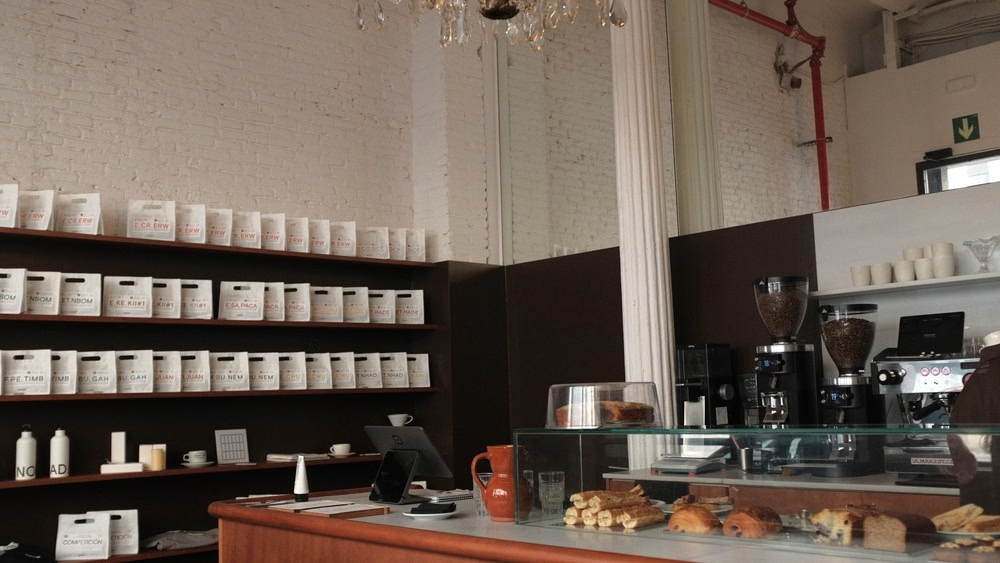
Right Side Coffee, another early contributor, began operating in 2012. Founder Joaquín Parra started roasting in a lot outside his home, drawing on a family history of green coffee imports. His aim was to bring high-quality beans to Barcelona and broaden local ideas about how coffee could be enjoyed. In 2023, he opened a coffee bar in the Gothic Quarter. The café and roastery now work with producers around the world, extending their influence beyond the local scene.
Other roasters and cafés have built on the groundwork laid by Nomad and Right Side. Their growth has helped give Barcelona a recognizable specialty-coffee identity while creating room for new businesses to develop.
SlowMov puts community at the center
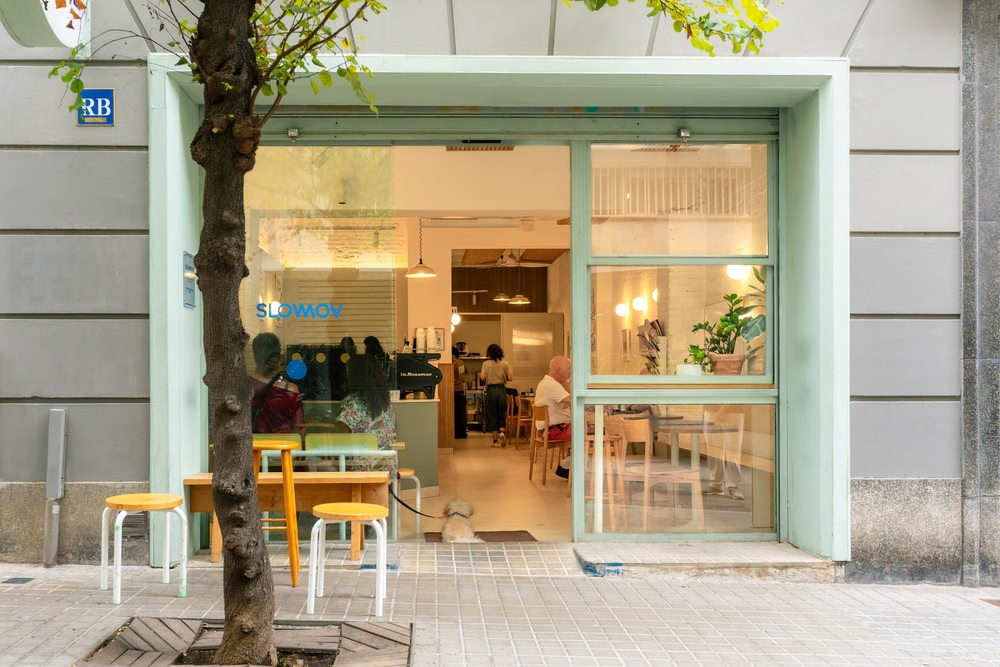
Carmen Callizo and François Justet began with a blog about specialty coffee in Paris. After moving to Barcelona, they opened SlowMov in 2015. Their priorities were sustainability, traceability and a place where residents and visitors could meet. The name refers to the “Slow Movement,” and to the founders’ idea that change can unfold gradually while still having a strong effect.
Callizo says specialty coffee now reaches a broader audience than it did in the past. One sign is its presence in “traditionally renovated” spaces: buildings updated while keeping their original architectural character. She also reports a significant rise in Barcelona’s roasters and coffee bars over the past five years, bringing stronger competition and higher standards.
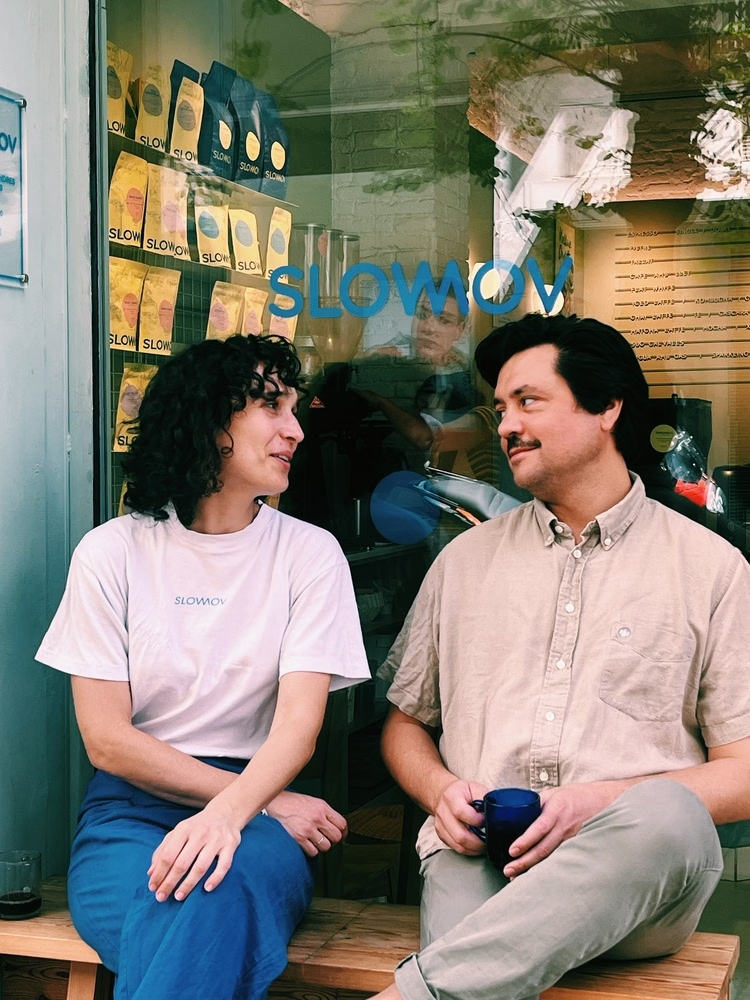
Some estimates put the number of specialty shops in the city above 150. SlowMov supports that wider community through training for cafés getting established, as well as its work as a café and roastery. That mix makes the business a gathering place and a source of practical help for newer operators.
Three Marks pairs new flavors with familiar hospitality
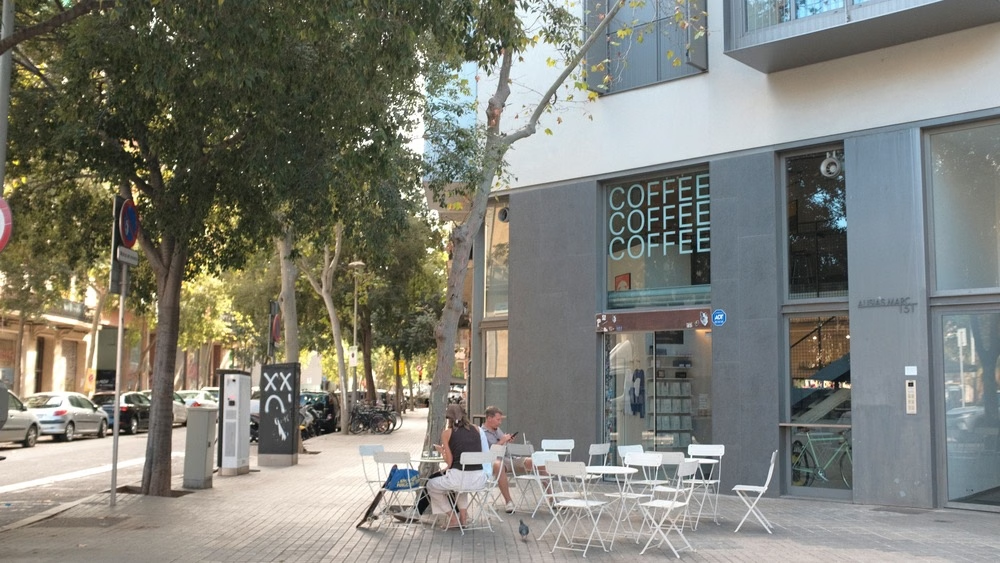
Three Marks Coffee began roasting in 2018. Co-founder Marco de Rebotti says the team wanted to share its enthusiasm for coffee while paying attention to quality, transparency and the people behind each cup. Since opening its first location and roastery, the business has grown to two coffee shops and its own roasting operation in Barcelona.
Travel, conversations with producers and close work with the team have shaped its approach. Three Marks now puts particular attention on sourcing, roasting and long-term producer relationships, while keeping its original aim: “Serve great coffee and make people feel welcome.”

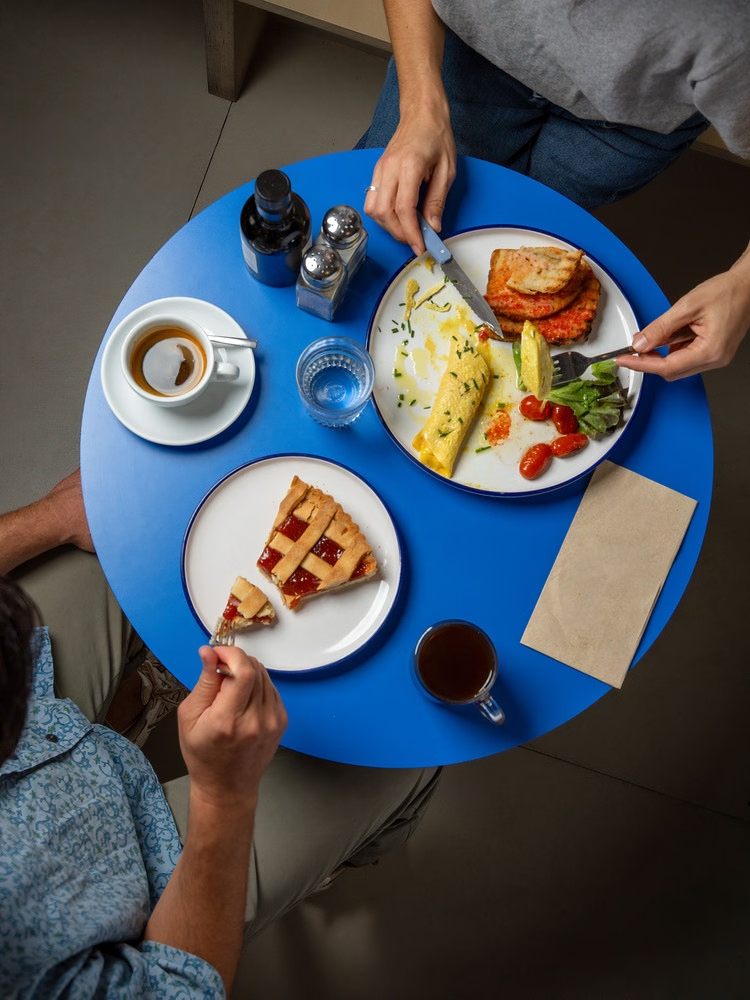
At the Fort Pienc café, in the historic Eixample district, guests can sit outdoors or choose from two levels of seating inside. The baristas can guide visitors through the bean selection, while the interior’s architecture gives the café its own character. It’s a setting built for lingering as much as for a quick cup.
That ease matters in Spain, where coffee is commonly a daily social ritual. Marco describes espresso and café con leche as familiar choices, often enjoyed quickly at the bar and at an affordable price. Barcelona’s international mix, he says, has made people more receptive to filter coffee, beans from different origins and lighter roasts.
For Marco, specialty coffee adds options to this tradition rather than replacing it. Coffee can offer new flavors and experiences while keeping the social connection that has long made it part of everyday life.
A city still making room for coffee
Barcelona’s cafés increasingly combine coffee with other interests: some also operate as record shops, ceramics studios or flower shops. These combinations reflect a scene still finding new ways to fit into the city’s streets and daily life.

For the next stage, de Rebotti points to consistency, hospitality and lasting relationships with producers. The measure of a strong café, in his view, is not only an exceptional coffee on the menu but the ability to make the experience good day after day. In Barcelona, that steady combination of craft and welcome is what gives the city’s coffee culture room to keep growing.
About the author
Michaela Tomchek writes about coffee and the people behind it, from producers to cafés serving carefully made drinks.

Subscribe and more
Find a print copy of Barista Magazine by subscribing or ordering an issue.
The Barista Magazine digital edition is available to read here. Readers can also support the magazine with a membership or sign up for the weekly newsletter.
Visit Camp Coffee Shop in Napa, California.
The original post, Wandering the Historic Streets of Barcelona + A Look at Coffee Culture in the City, appeared first on Barista Magazine Online.
===DONE===