Used Coffee Roasters: What to Check Before You Buy
Story by Scott K. Plail · 686 readers
Used roasters can make in-house production more attainable. Learn what to inspect, budget for and ask before committing.
Buying a used coffee roaster can bring in-house production within reach for a cafe or smaller roasting business. The lower purchase price is appealing, and the market offers machines across a range of sizes. But a used roaster doesn’t come with the same warranty or manufacturer support as new equipment, so the inspection and cost planning need to happen before the sale.
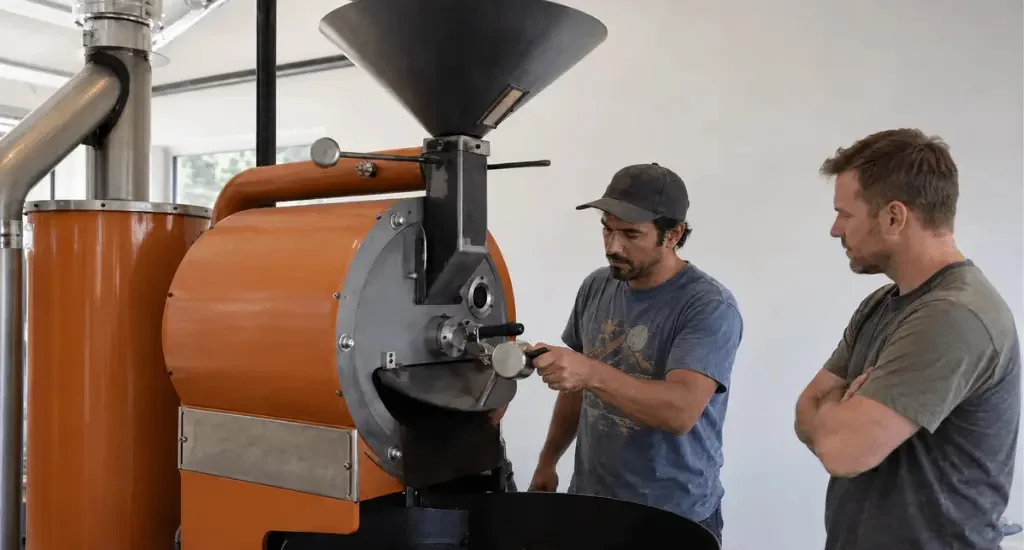
Image courtesy of CoffeeTec.
The market data offers one useful piece of context: good machines may come up for sale throughout the year. That makes preparation more valuable than waiting for a particular buying season. Before comparing listings, buyers should know what capacity they need, what installation will involve and who can assess the machine independently.
Start with the machine’s condition and history
Ask the seller for maintenance records early. A clear service history can help you understand how the roaster was cared for and whether recurring problems need attention. Then arrange an inspection by a technician who has no stake in the transaction. A seller’s demonstration is useful, but it doesn’t replace an independent assessment.

Look for rust, cracks in the drum or outer casing, and signs of general wear. Pay particular attention to damage that may make repair impractical: a cracked casting, for example, is a reason to walk away. If possible, see the roaster running and request a live test roast. Video can show that the equipment operates, though it gives a less complete view than an in-person inspection.
Age alone doesn’t settle whether a roaster is worth buying. Many parts can be replaced, but older or discontinued models may be harder to maintain if parts or manuals are unavailable. Ask what components can still be sourced, how long repairs usually take, and whether the brand has a reputation for reliability. Consider your own mechanical skills, too. A machine that needs hands-on upkeep may suit one operation and be a poor fit for another.
Calculate the full cost of ownership
The asking price is only one part of the investment. Installation, freight, rigging, and any required updates can add substantially to the total. Find out who will install the machine and who can service it after the sale. Confirm what work the site needs before the roaster arrives, including access through doorways and plans for gas connections and venting.
Older equipment may also need changes to meet applicable emissions or electrical requirements. Identify those needs in advance and get a cost estimate before settling on a purchase price. Buyers who leave these questions until installation may find that a discounted machine requires a much larger budget than expected.
Compare the used price with the cost of new equipment and consider resale value across brands. A lower initial price doesn’t automatically mean a better deal if parts are scarce, installation is difficult or future repairs are likely. The central question is whether the machine’s condition and expected service needs make sense for your operation.
Choose capacity for the work you do now
Buy a roaster sized for current production needs. A machine that’s too small can constrain output; one that’s too large can leave capacity unused while increasing the cost and complexity of the setup. Buyers should assess their actual roasting volume before comparing models, rather than paying for hoped-for growth.
Moving a commercial roaster is its own planning task. Confirm the machine’s dimensions and weight, the route into the building, and the equipment and crew needed to place it. Gas lines and venting also affect where it can go and how the installation must be organized. These practical details belong in the buying decision, not on the day the machine arrives.
What recent marketplace activity suggests
CoffeeTec’s figures cover September 2025 through August 2026. Over that 12-month period, 65 roaster units sold across 59 listings, while the marketplace recorded 503 total items ordered. June saw 60 items ordered and September 59, but activity continued during slower months as well. The pattern suggests that buyers can find used equipment throughout the year, and should be ready to assess a suitable listing when it appears.
Most sales fell into the budget band below $10,000 or the middle band from $10,000 to under $50,000. The industrial tier, priced at $100,000 and up, accounted for one sale: a 45-kilogram Probat listed at $145,000.
The comparison between January and August 2025 and the same months in 2026 shows a sharp rise in transactions. Roaster units sold increased from six to 44. Store-wide items ordered rose 80%, and completed checkouts rose 94%. Growth appeared across every weight class. The medium category, from 5 kilograms to under 20 kilograms, went from no units sold in 2025 to 16 in 2026, the largest increase among the listed classes.
A practical order of operations
Collect maintenance records first, then have an independent technician inspect the machine before you commit. Confirm that parts and documentation are available, test the roaster if possible, and get estimates for freight, installation and any necessary updates. Check the full path into the building and verify that the machine matches your present production requirements.
Used equipment can offer a workable route into roasting, but a lower purchase price is only useful when the machine can be installed, maintained and operated at a sensible total cost. A careful inspection and a realistic plan for support make the difference between a promising listing and a reliable fit for the roastery.